
It started like most ideas do.
A song.
A character.
A feeling that they might fit together.
Drake — Can I
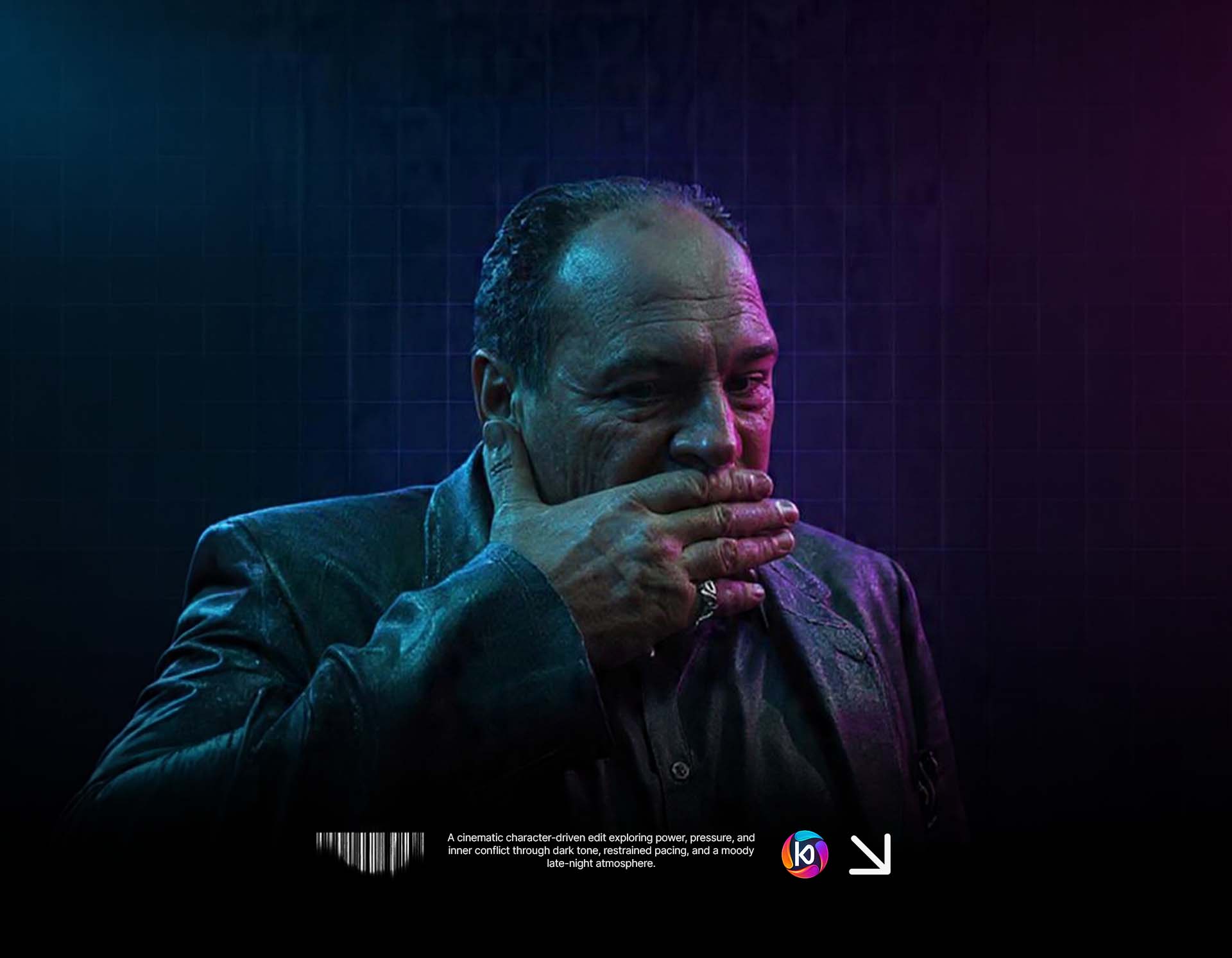
Tony Soprano — a man constantly balancing control and chaos
And the moment those two connected,
the direction became clear.
The idea wasn’t to show Tony
It was to show what’s inside his head.
Not the surface.
Not the power.
Not the image people see.
But the pressure.
The weight of decisions.
The constant tension.
The conversations he has — especially the ones with himself.
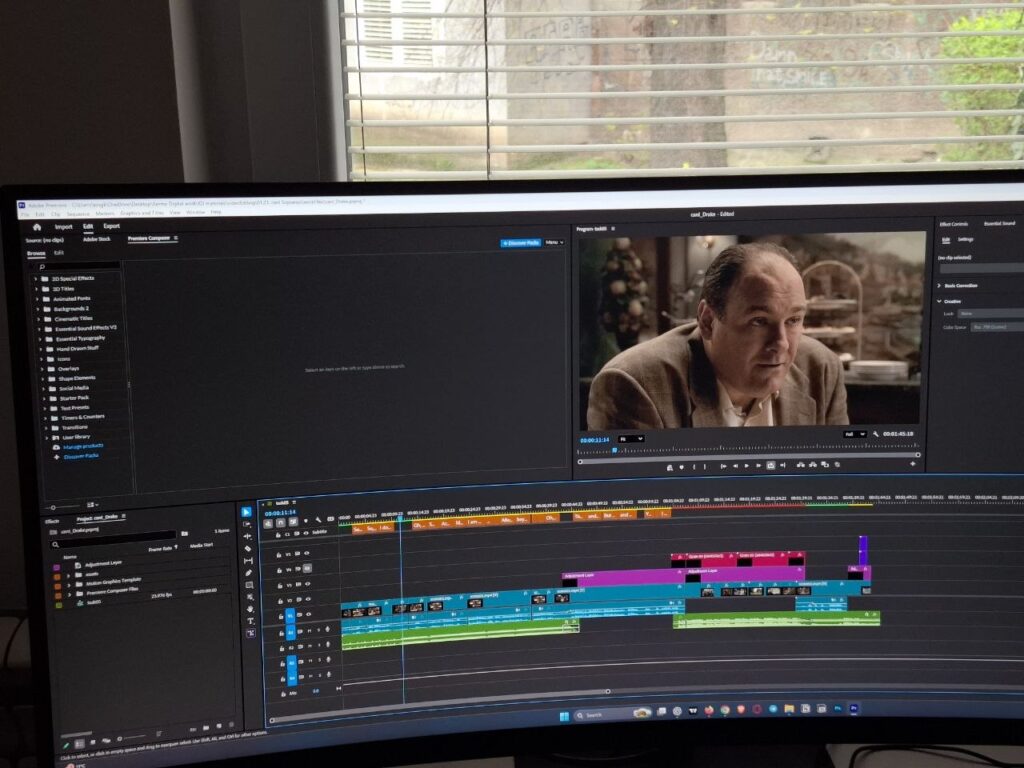
Scene selection wasn’t random
Every scene had a purpose.
Not just “this looks cool” — but:
What does this moment say about him?
I focused on:
- moments of silence
- therapy sessions
- reactions instead of actions
- small expressions that reveal everything
Because Tony isn’t loud all the time.
His character lives in those quiet moments.
Music sets the emotional direction
The track Can I isn’t aggressive.
It’s controlled.
Reflective.
Almost calm — but heavy underneath.
That’s exactly what Tony feels like.
So instead of cutting fast or forcing energy,
the edit follows the rhythm of the emotion.
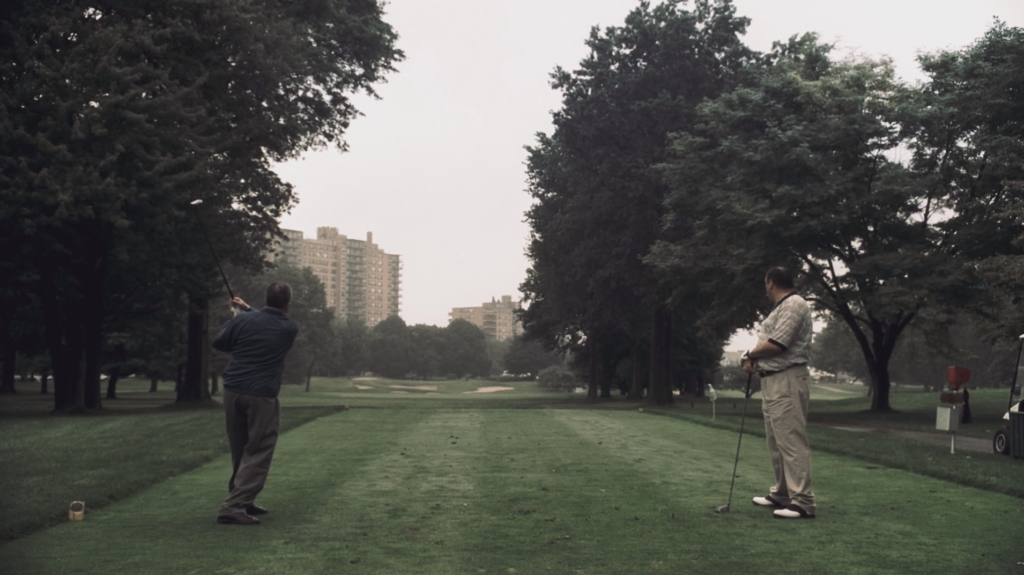
Color grading tells the story
This was one of the key decisions.
Not just making it look good —
but making it mean something.
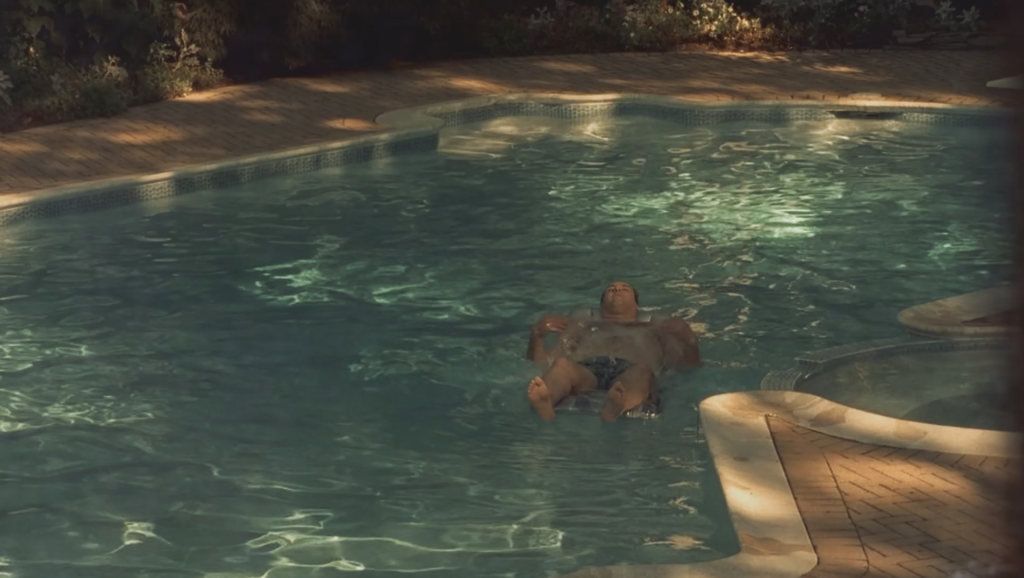
- darker tones → when he’s dealing with pressure
- colder mood → when he’s disconnected
- brighter / warmer moments → when things feel “under control”
It’s subtle.
But it changes how you feel each scene.
It’s not about hooks — it’s about flow
A lot of edits today rely on:
- fast cuts
- transitions
- instant impact
And that works.
But this wasn’t that kind of edit.
This was about building something that: feels like a story, not just a montage pulls you in slowly keeps tension.
Final result
At the end, the goal wasn’t:
“this looks good”
It was:
“this feels like Tony”
If you understand the character without a single word —
the edit works.